You asked: What does primer do and when should I use it before painting?
We answer: If you’ve ever wondered what does primer do, the short answer is this: primer helps paint stick better, look more even, and last longer. It creates a stable surface between your wall and your topcoat, which is especially important when you’re painting over patches, stains, raw surfaces, or older finishes. While some projects can be completed without primer, many of the most durable, professional-looking paint jobs start with it.
Here’s why primer matters before you open your first can of paint.
What does primer do for a painted surface?
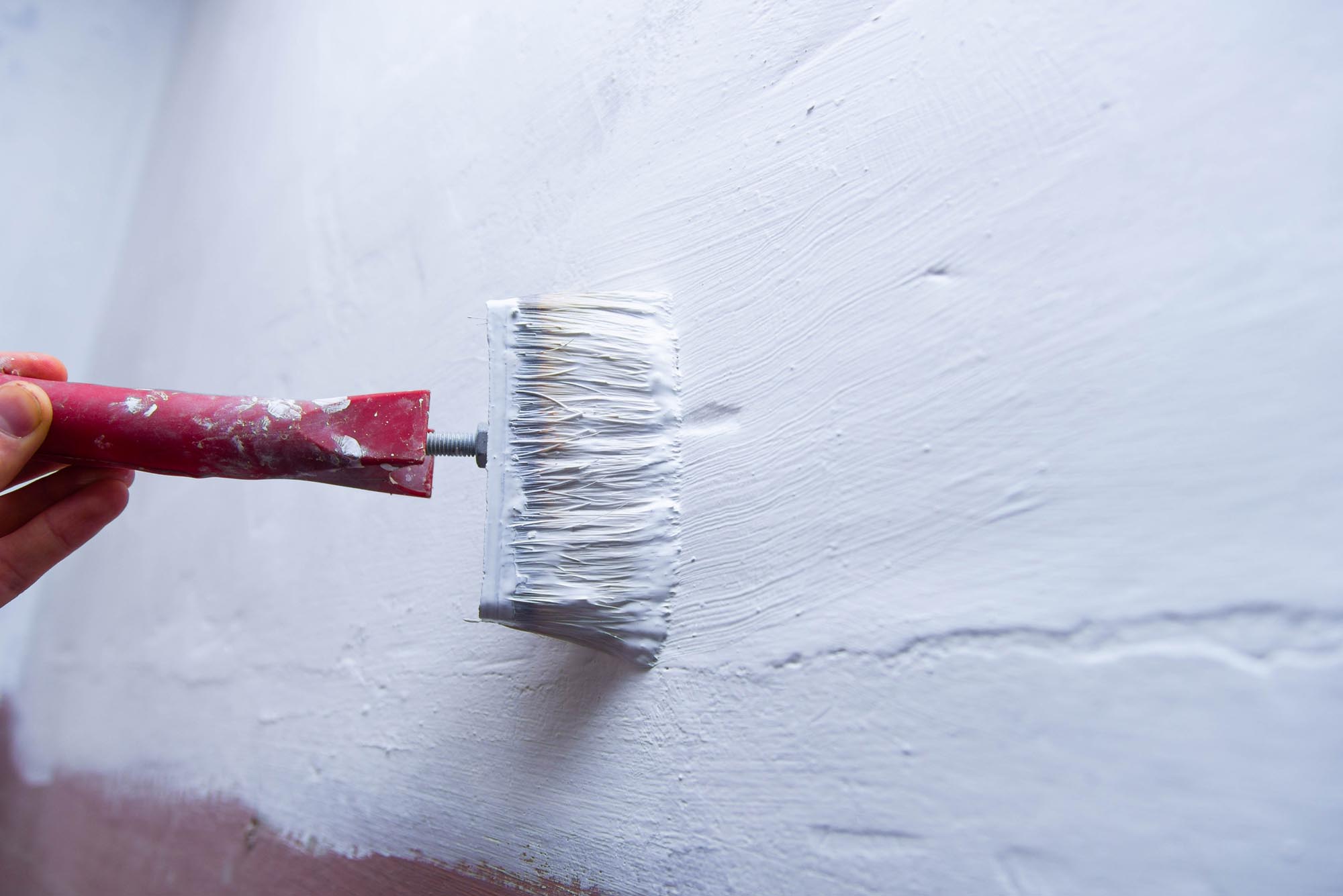
When people ask what does primer do, they’re really asking why they can’t just skip straight to the paint. Primer has a very specific job. It helps seal porous surfaces, improves adhesion, and creates a more uniform base so your finish coat goes on smoothly and evenly.
- It helps paint grip the surface better
- It reduces uneven absorption on bare drywall, plaster, wood, and masonry
- It blocks many stains from bleeding through
- It improves color consistency from wall to wall
Without primer, some surfaces absorb paint at different rates. That can lead to dull spots, patchy color, or a finish that wears out sooner than expected. Primer gives your paint a stronger foundation, and that often means fewer problems later.
When primer is especially important
There are several situations where primer is not just helpful, it’s the smarter choice. Fresh drywall is one of the most common examples. New drywall and drywall compound are porous, so they can soak up paint unevenly if they are not sealed first.
You should also strongly consider primer when:
- You are painting over repairs or patched areas
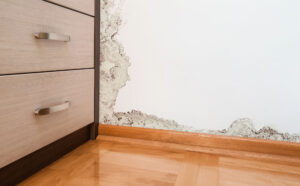
- You are covering stains from water, smoke, or mildew
- You are switching from a very dark color to a very light one
- You are painting over glossy surfaces that need extra adhesion
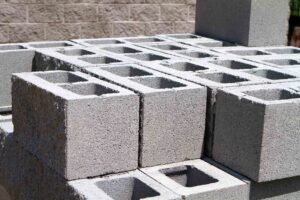
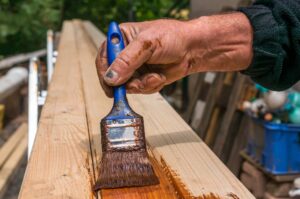
- You are working with bare wood, concrete, stucco, or masonry
In all of these cases, understanding what does primer do helps you avoid extra coats, uneven results, and premature paint failure. It is often the step that makes the difference between a quick cosmetic update and a finish that truly lasts.
Can you ever skip primer?
Yes, sometimes you can. If your walls are already in good condition, have no major stains, and are being repainted with a similar color, you may be able to use a high-quality paint without a separate primer coat. But that depends on the surface and the condition underneath.
Even in simple repainting projects, primer can still be useful if you want stronger coverage or better long-term durability. It is also worth noting that “paint and primer in one” products can be very effective in some situations, but they do not always replace a true primer when dealing with stains, raw surfaces, or difficult textures.
How primer saves time and money
Some homeowners skip primer to save time, but that decision can backfire. If your paint does not cover properly, you may need extra coats. If stains bleed through, you may have to repaint. If the surface was not sealed, your finish may wear faster.
Using primer can help you:
- Get better coverage with fewer finish coats
- Create a smoother final appearance
- Extend the life of your paint job
- Reduce the chance of peeling or uneven color
So, what does primer do? It helps set your project up for success. It may not be the most exciting part of painting, but it is often one of the most important. If you want your paint to look better, last longer, and perform the way it should, primer is often the right place to start.
Need help choosing the right primer for your project, or if you are wondering what does primer do? Visit Sherwin-Williams Bahamas and our team will help you find the best solution for your surface.