You asked: Can paint reflect heat and help keep my home cooler in the Bahamian heat?
We answer: Yes — the right paint color and coating can help reduce heat absorption and make your home feel more comfortable, especially during the hottest months.
So How Exactly Does Paint Reflect Heat?
Here’s how paint plays a role:
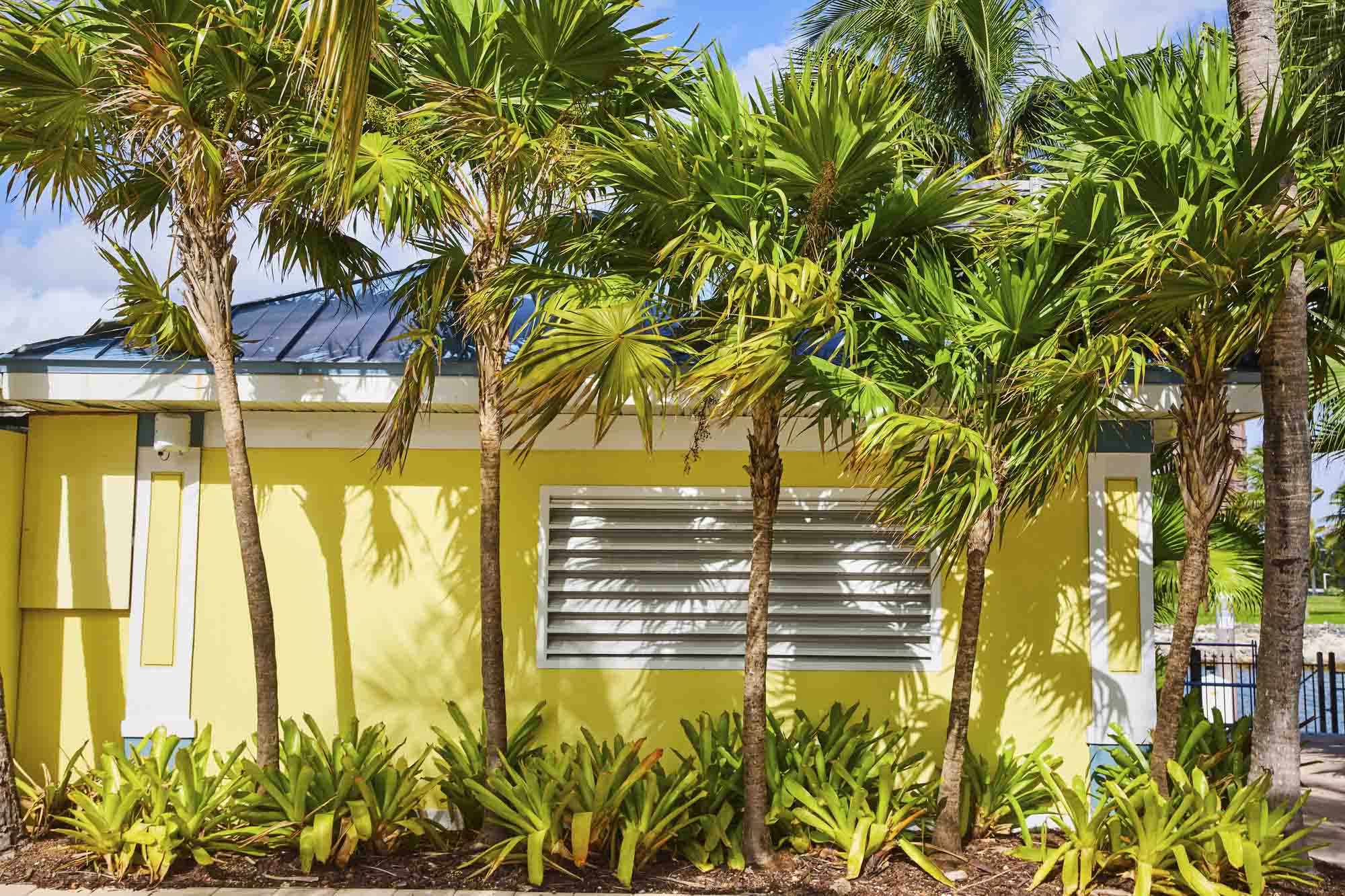
Light colors reflect more heat
Lighter shades naturally reflect sunlight instead of absorbing it. Popular heat-friendly choices include:
- Soft whites
- Light beiges
- Pale greys
- Soft blues
Darker colors absorb more heat, which can raise interior temperatures — especially on sun-facing walls.
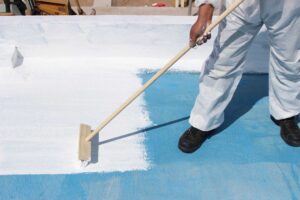
Heat-reflective and exterior coatings
Some exterior paints are designed to reduce heat buildup by reflecting solar energy. These coatings help:
- Reduce surface temperature
- Minimize fading from UV exposure
- Improve overall comfort indoors
Using premium exterior paint is especially important in The Bahamas’ intense sun.
Roof and masonry surfaces matter too
Concrete, stucco, and roofs absorb a lot of heat (See the best paint to use on concrete and stucco homes). Proper coatings on these surfaces help reduce how much heat transfers into the home.
Prep improves performance
Clean, sealed, and properly primed surfaces allow paint to perform better — including its heat-reflective properties.
What paint won’t do
Paint won’t replace insulation or air conditioning, but it can support a cooler, more energy-efficient home when used as part of a complete strategy.
Choosing the right paint helps your home work smarter against the heat.
Want help selecting colors and coatings for a cooler home? Visit Sherwin-Williams Bahamas and let our team guide you.