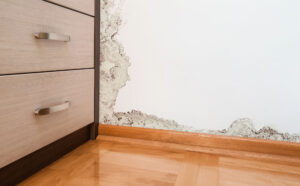
Your deck is one of the most exposed surfaces on your property. In the Bahamas, it deals with intense UV radiation, heavy tropical rain, persistent humidity, and salt air, often all in the same week. Without proper protection, wood decks gray out, crack, splinter, and begin to rot faster than in almost any other climate. Applying the right deck stain and sealer is the single most effective thing you can do to extend the life of your deck, protect its structural integrity, and keep it looking great year after year.
What Does Deck Stain and Sealer Actually Do?
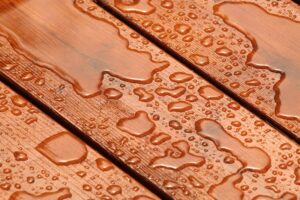
Deck stain and sealer serve two related but distinct functions. The stain component adds color, enhances the appearance of the wood, and contains UV-blocking pigments that slow fading and surface graying caused by sun exposure. The sealer component repels water, preventing moisture from penetrating the wood fibers and causing swelling, cracking, and eventually rot. Many quality products combine both functions into a single formula, giving you color and moisture protection in one application.
Unlike paint, which forms a film on top of the wood surface, deck stain and sealer penetrates into the wood fibers themselves. This penetrating action means the product moves with the wood as it expands and contracts in the tropical heat and humidity, which dramatically reduces the risk of peeling and blistering that is so common with painted decks in the Bahamas.
Choosing the Right Deck Stain and Sealer Transparency
One of the first decisions you face when selecting a deck stain and sealer is how much of the wood grain you want to show. There are four transparency levels to choose from, each suited to a different situation.
Clear Sealers
Clear products offer maximum wood grain visibility with no added color. They provide water repellency and some UV protection but require the most frequent reapplication, typically every one to two years in the Bahamian climate. Best for newer wood in excellent condition where the natural appearance is the priority.
Semi-Transparent Stains
A semi-transparent deck stain and sealer adds color while allowing the wood grain and texture to show through. These products provide stronger UV and moisture protection than clear sealers and are one of the most popular choices for decks in sound condition. Popular deck stain colors in this category include warm naturals like Riverwood, Charwood, and Cedar, all of which complement the Bahamian landscape beautifully.
Semi-Solid and Solid Stains
Semi-solid stains offer partial grain visibility with more color coverage, while solid stains fully conceal the wood grain and deliver maximum protection. The SuperDeck Exterior Waterborne Solid Color Deck Stain is a premium example of this category, offering rich, uniform color combined with strong water repellency and UV resistance. Solid stains are the best choice for older or more weathered decks where surface imperfections need covering and maximum protection is the priority.
How to Prepare Your Deck Before Staining
The most important factor in how well a deck stain and sealer performs is surface preparation. Even the best product will fail prematurely on a poorly prepared deck. Follow these steps before applying any stain or sealer.
- Sweep thoroughly to remove all leaves, dirt, and debris before any cleaning begins
- Clean the deck using a dedicated deck wash product; apply liberally with a roller or pump sprayer, allow it to sit for around 15 minutes, then scrub with a stiff brush and rinse thoroughly
- Use a brightener after cleaning, particularly on previously stained or weathered wood, to neutralize the cleaner and restore the wood’s natural appearance before staining
- Sand lightly once dry to remove any remaining residue and open the wood grain for better stain absorption
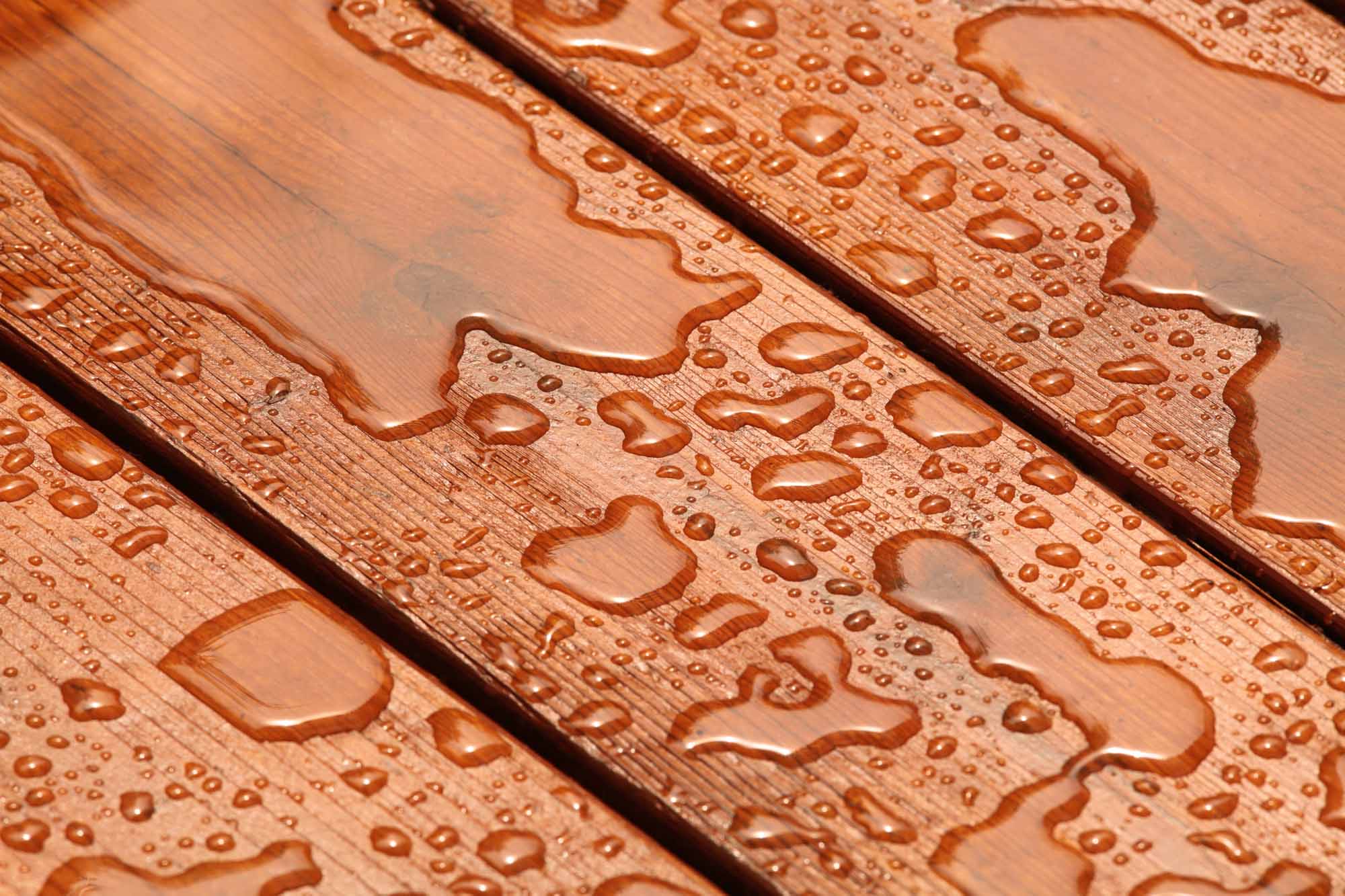
- Test for dryness by sprinkling a few drops of water on the surface; if the droplets soak in rather than beading up, the wood is ready for stain
This preparation sequence is key regardless of which deck stain and sealer you choose. Skipping it is the most common reason deck coatings fail before their time. For a step-by-step walkthrough of the full deck prep process, how to prepare a deck for staining is a helpful reference before you begin. For a broader look at surface preparation before any exterior wood project, our post on waterproof paint for wood covers prep principles that apply across stains, sealers, and paints.
How to Apply Deck Stain and Sealer
Timing matters when applying deck stain and sealer in the Bahamas. Choose a day with low humidity and mild temperatures if possible, and avoid applying stain in direct midday sun, which causes the product to flash-cure too quickly and can leave a blotchy, uneven finish. Equally, avoid staining immediately after rain. For a practical overview of the full application process, how to stain a deck in 6 steps is a useful companion guide.
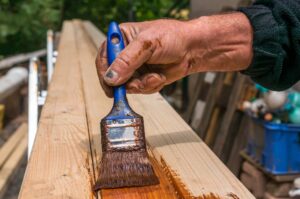
For application tools, rollers are the most beginner-friendly choice for large flat deck surfaces. Use a nap cover sized to your deck’s texture. A staining pad is excellent for working stain into gaps between boards and around railings. A brush is ideal for tight corners, edges, and detailed areas. If spraying, always back-brush immediately after to work the stain into the wood and ensure even coverage.
Always apply in the direction of the wood grain and maintain a wet edge to prevent lap marks. If a second coat is needed for deeper color or extra protection, wait at least four hours between applications.
How Often Should You Reapply Deck Stain and Sealer?
In the Bahamian climate, expect to reapply deck stain and sealer more frequently than in a milder environment. Clear sealers typically need reapplication every one to two years. Semi-transparent stains last two to three years. Solid stains can last three to five years with proper prep and application. Watch for signs of wear: water no longer beading on the surface, visible graying or fading, and any cracking or flaking are all signals that it’s time to recoat.
For more guidance on choosing and applying stain for outdoor wood structures beyond just decks, our post on exterior wood stain and how to choose the right one for your home covers fencing, siding, pergolas, and other surfaces in detail. And if rust on adjacent metal railings is a concern while you’re tackling the deck, our post on paint for rusty metal is worth reading before you start.
Find the Right Deck Stain and Sealer at Sherwin-Williams Bahamas
At Sherwin-Williams Bahamas, we carry a full range of deck stain and sealer products suited to the demands of the tropical climate, including the SuperDeck line in clear, semi-transparent, and solid formulas. Our team can help you choose the right transparency level, the right color, and the right tools for your specific deck.
Visit one of our two Nassau locations or contact us to get started. Browse our full exterior paints and coatings selection and pick up the right brushes and application supplies while you’re at it.