If you’ve been thinking about getting into painting but aren’t sure where to start, acrylic paint is widely considered the best medium for beginners, and for good reason. It’s forgiving, versatile, fast-drying, and easy to clean up with water. Whether you want to paint on canvas, wood, paper, or fabric, acrylic paint works on almost any surface, making it the perfect introduction to the world of visual art. This guide covers everything you need to know to get started with confidence.
What Is Acrylic Paint?
Acrylic paint is a water-based paint made from pigment suspended in an acrylic polymer emulsion. When wet, it can be thinned and cleaned with water. When dry, it becomes water-resistant and durable. This makes acrylic paint uniquely practical: you get the workability of a water-based medium without ending up with a fragile or easily damaged finished piece.
Acrylic paint dries relatively quickly compared to oil paint, typically within minutes to an hour depending on thickness and humidity. In the Bahamian climate, where humidity can slow drying times slightly, this is actually a welcome quality for beginners since you have a little more working time before each layer sets. Once dry, layers can be built up, painted over, or glazed without disturbing the layers beneath.
Acrylic Paint Grades: Student vs. Artist Quality
When shopping for acrylic paint, you’ll find two main quality grades. Student-grade acrylic paint contains more fillers and less pigment, which means colors are less vibrant and less lightfast than artist-grade products. They are less expensive and perfectly acceptable for practice, learning, and experimentation.
Artist-grade acrylic paint contains higher concentrations of pure pigment, resulting in richer, more saturated colors that resist fading over time. Brands like Liquitex and Golden Artist Colors, both available at our art supplies store, are trusted standards in the artist-grade category. If you’re serious about developing your practice or creating work you intend to keep or sell, investing in artist-grade acrylic paint is worth the step up in cost.
What Surfaces Can You Use Acrylic Paint On?
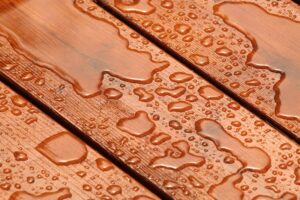
One of the biggest advantages of acrylic paint for beginners is the range of surfaces it works on. Unlike oil paint, which requires specially prepared surfaces, acrylic paint adheres well to canvas, wood panels, paper, cardboard, fabric, and even walls. Most surfaces just need to be clean, dry, and in good condition before you start. A coat of gesso primer on canvas or wood helps create a smooth, consistent surface and improves paint adhesion, though many canvases come pre-primed. If you plan to paint on wood, our post on waterproof paint for wood has useful guidance on preparing and sealing wood surfaces.
Essential Supplies to Start Painting With Acrylic Paint
You don’t need a lot to get started with acrylic paint. A focused starter kit of essentials will take you a long way before you need to expand your collection. You can browse everything mentioned below in our online art catalogue before visiting us in store.
Paints
Start with a limited palette of six to ten colors rather than buying every shade available. A basic set covering a warm and cool version of each primary color, plus white and black, gives you the ability to mix almost any hue. Primary colors, a range of earth tones, titanium white, and carbon black are the practical starting point for most beginner acrylic paint sets. Understanding how to mix and layer colors is one of the most valuable early skills to develop, acrylic painting tips for beginners covers color mixing and other foundational techniques in detail.
Brushes
For acrylic paint, synthetic brushes are recommended over natural hair brushes because they hold up better to water and the thicker consistency of acrylics. A beginner set should include a flat brush for broad strokes and coverage, a round brush for detail and line work, and a filbert brush, which is a versatile oval-shaped brush that works well for blending and general painting. Start with a few sizes of each rather than a large collection.
Surfaces
Stretched canvas and canvas boards are the classic choices for acrylic paint. Canvas boards are lighter and more affordable, making them ideal for practice. Watercolor paper (at least 140 lb weight) is another practical option for beginners who want to experiment without committing to canvas every time.
Palette and Water Containers
A stay-wet palette keeps acrylic paint from drying out too quickly while you work, which is especially useful in warmer, drier conditions. Two containers of water are helpful: one for rinsing brushes and one for clean water to thin paint.
Basic Techniques to Try First
Acrylic paint is a very forgiving medium. Mistakes can almost always be painted over once the layer is dry. A few techniques worth exploring early on include wet-on-dry layering, where you paint thin transparent glazes over dried paint to build depth and color complexity, and dry brushing, where a brush loaded with a small amount of paint is dragged across a surface to create texture. Both are achievable for beginners and produce satisfying results quickly. For a broader breakdown of beginner acrylic techniques including blending, impasto, and glazing, acrylic painting techniques: a beginner’s guide is worth bookmarking as you develop your practice.
If you’re curious about what art supplies are available for younger artists in the family, our post on the best arts and craft supplies for kids is a helpful companion read.
Find Acrylic Paint and Art Supplies at Sherwin-Williams Bahamas
At Sherwin-Williams Bahamas, our Tonique Williams-Darling Highway location serves as our Art Supplies HQ, stocking a wide selection of acrylic paint from leading brands including Liquitex, Golden Artist Colors, and DecoArt. We also carry brushes, canvases, palettes, and everything else you need to get started.
Browse our full art supplies selection or visit us in store. Contact us if you have questions about specific products or brands.