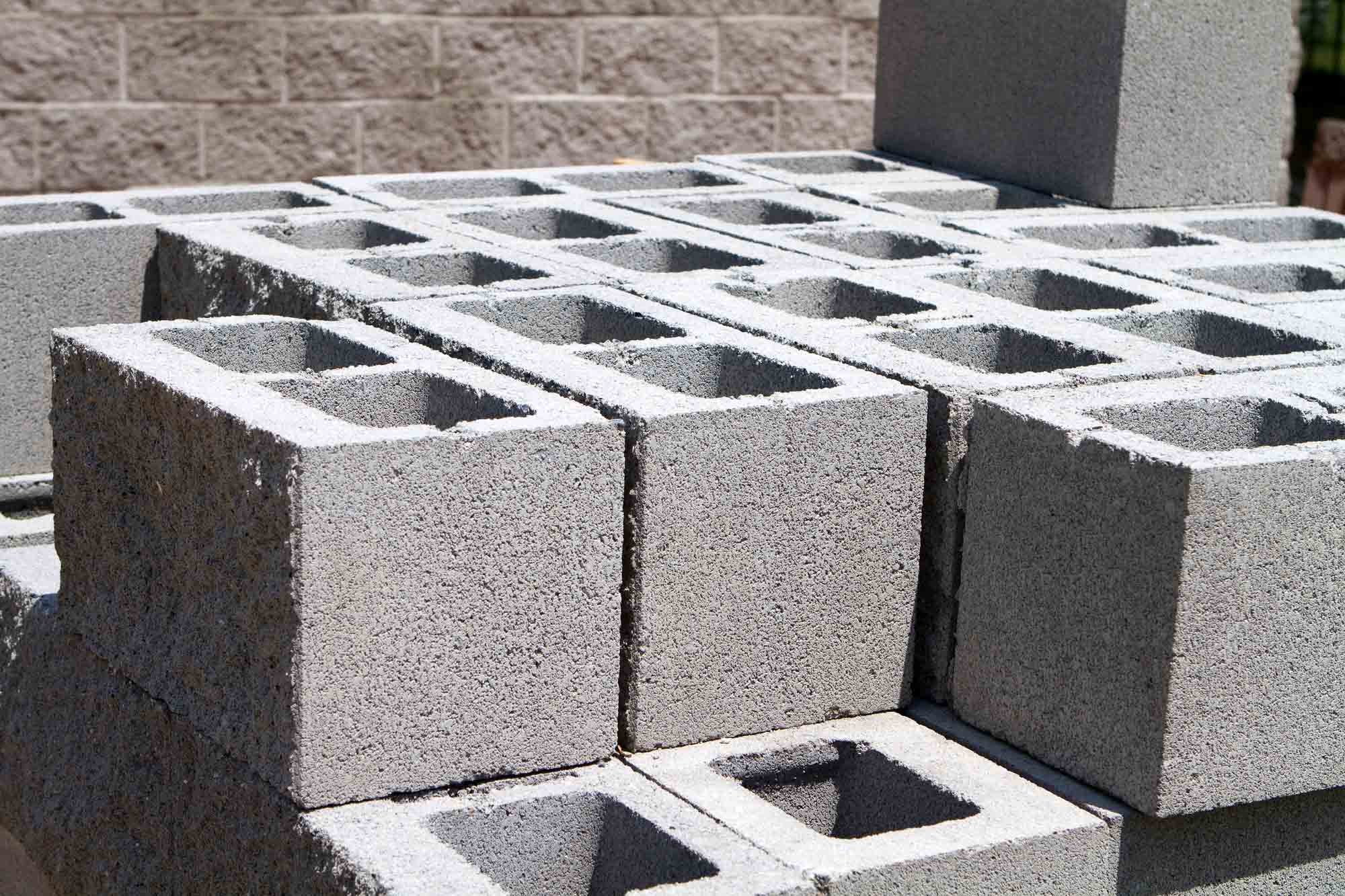
If you’ve ever tried to paint a concrete block wall and ended up with a rough, uneven finish that seemed to drink up paint no matter how much you applied, you’ve experienced what makes masonry surfaces so different from standard drywall or plaster. Concrete block has an open, coarse texture filled with voids and pores that can’t be covered effectively by paint alone. That’s exactly the problem block filler is designed to solve. Understanding when and how to use block filler is one of the most important things a Bahamian homeowner or contractor can know before tackling any concrete or masonry painting project.
What Is Block Filler?
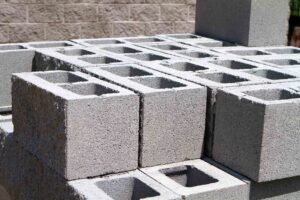
Block filler is a thick, high-build coating specifically formulated to fill the voids, pores, and surface irregularities found in concrete masonry unit (CMU) walls, concrete block, poured concrete, and rough stucco surfaces. It is applied as a first coat, before any primer or topcoat, and its primary job is to level out the surface so that subsequent paint coats go on smoothly and evenly.
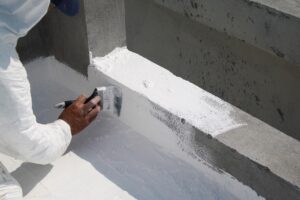
It is much thicker in consistency than standard primer or paint. It fills the deep texture and open cells characteristic of concrete block, creating a more uniform, sealed substrate that paint can cover efficiently and adhere to reliably. Without it, topcoat paint applied directly to raw block will settle into the surface voids unevenly, consume excessive product, and still leave a rough, mottled appearance. Block filler eliminates this problem and reduces the total amount of topcoat paint needed to achieve a professional finish.
Why Block Filler Matters in the Bahamas
Concrete block construction dominates the residential and commercial building landscape throughout Nassau and the wider Bahamas. The vast majority of homes, boundary walls, commercial buildings, and outbuildings are built from CMU block or poured concrete with stucco finishes. All of these surfaces share the same characteristic porosity that makes block filler so valuable.
In a tropical climate, that porosity has added consequences. Open pores in an uncoated or inadequately coated concrete block wall allow moisture to penetrate, which can lead to efflorescence (white salt deposits on the surface), mold and mildew growth inside the wall cavity, and gradual deterioration of the block itself. Applying before your topcoat seals those pores and creates a moisture barrier that significantly extends the life of the paint system and the wall beneath it.
This connects directly to broader questions about the right products for concrete homes. Our post on the best paint for concrete and stucco homes in the Bahamas covers the full exterior painting system for these surfaces, of which block filler is the critical first step.
When Should You Use Block Filler?
Block filler should be used any time you are painting the following surfaces for the first time or after stripping back to bare substrate:
- Unpainted concrete masonry unit (CMU) walls — both interior and exterior
- Bare poured concrete walls — especially where surface form marks, bug holes, and honeycombing are present
- Rough or open-textured stucco — where the surface texture is too coarse for paint to cover smoothly
- Concrete floors with significant surface variation — before applying epoxy or other floor coatings
- Previously painted block that has been stripped back to bare surface — where the existing paint has been fully removed
If a concrete block wall has been previously painted and the existing coating is sound and well-adhered, block filler may not be needed for a repaint. A masonry primer may be sufficient in that case. But for any bare or newly constructed masonry surface, block filler is the right starting point.
Block Filler Products From Sherwin-Williams
PrepRite Block Filler
The PrepRite Block Filler is a reliable, widely used option for above-grade unpainted masonry surfaces. It penetrates into the surface and fills the voids in concrete block to create a smooth, uniform base for topcoating. Applied to unpainted masonry, concrete, and cement, it allows the finish coat to go on smoothly and evenly. It is available in white and off-white and is compatible with most exterior topcoat systems.
ConFlex Block Filler
The ConFlex Block Filler is a heavier-build option suited to more textured or open-faced masonry substrates where standard block filler may not fully bridge the voids. Its higher build formula fills deeper surface irregularities and creates an even more uniform foundation for the topcoat system. For very rough or porous concrete block walls, ConFlex delivers a more thorough filling action.
Pro Industrial Heavy Duty Block Filler
For demanding commercial and industrial masonry applications, the Pro Industrial Heavy Duty Block Filler offers high-performance surface preparation with excellent penetration into open masonry surfaces. It provides a tough, durable base for high-performance coating systems and is the appropriate choice for commercial buildings, warehouses, and other industrial environments where the paint system needs to stand up to harsh conditions.
How to Apply Block Filler
Block filler is typically applied by roller using a thick-nap cover (at least 3/4 inch) to push the product into the surface voids. A stiff brush works well for cutting in along edges and corners. The goal is to fill the surface texture completely, so work the material into the wall surface rather than simply rolling it on top. Most block filler products require one coat, though very open or rough surfaces may benefit from a second application after the first has dried.
Allow the filler to cure fully before applying primer or topcoat. Applying paint over partially cured block filler is one of the most common causes of adhesion failure on masonry surfaces. For general guidance on surface preparation before painting, our post on what primer does and when to use it before painting covers the preparation sequence in detail.
If you are coating a concrete floor rather than a wall, block filler plays a similar role in leveling the surface before epoxy or other floor coatings are applied. Our post on the best paint for concrete floors and garage spaces covers this application alongside other floor coating options.
Find Block Filler at Sherwin-Williams Bahamas
At Sherwin-Williams Bahamas, we carry the PrepRite, ConFlex, and Pro Industrial block filler products along with the full range of masonry primers and topcoats needed to complete your concrete painting project from start to finish. Our team can help you choose the right filler for your specific surface and the coating system that goes over it.
Visit one of our two Nassau locations or contact us to get started. You can also browse our full exterior and interior paint and coatings selection and pick up the right painting supplies to tackle the job properly.