A wood fence is a significant investment in your property, and protecting it from the Bahamian elements is essential if you want it to last. The two most common options are fence stain and fence paint, and the debate between them is one of the most frequent questions we hear at Sherwin-Williams Bahamas. Both products protect wood from sun, rain, and humidity, but they work differently and deliver different results. Understanding those differences will help you make the right choice for your yard.
How Fence Stain and Paint Work Differently
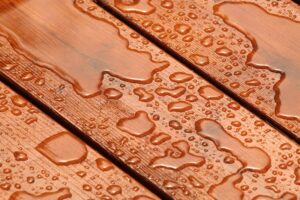
Fence stain penetrates into the wood fibers rather than sitting on top of the surface. Because it becomes part of the wood, it moves with the fence as it expands and contracts in the tropical heat and humidity. Paint, on the other hand, forms a solid film on top of the wood surface. This film provides strong color coverage and weather protection, but it can trap moisture, crack, peel, and blister when the wood moves beneath it, particularly in climates with significant temperature and humidity variation like the Bahamas.
Think of fence stain as a dye that becomes part of the wood, while paint is more like a coat worn over the top. Each has its advantages, but for most wood fences in the Bahamas, stain tends to be the lower-maintenance, longer-performing choice over the long term.
The Case for Fence Stain
There are several reasons why fence stain is often the preferred choice for wood fences in tropical environments:
- No peeling — because stain penetrates rather than films, it won’t peel or blister the way paint can when moisture gets trapped beneath the surface
- Easier reapplication — when fence stain needs refreshing, you simply clean the surface and reapply. There’s no need to sand down peeling paint layers first.
- Natural appearance — stain enhances the character of the wood grain, giving fences a warm, natural look that many homeowners prefer
- Moisture movement — stain allows the wood to breathe, which is important in a high-humidity environment where trapped moisture can accelerate rot
- Less maintenance overall — while stain needs reapplication every 2 to 3 years, the process is simpler and faster than repainting
Sherwin-Williams offers a strong range of fence stain products suited to the Bahamian climate, including the SuperDeck Exterior Waterborne Solid Color Deck Stain, which provides rich, uniform color combined with excellent water repellency and UV protection. For fences where you want to show the wood grain, semi-transparent options from the SuperDeck line are a popular choice.
The Case for Fence Paint
Paint is not always the wrong choice for a fence. There are situations where it makes good sense:
- Heavily weathered or damaged wood — if your fence has significant surface imperfections, discoloration, or old stain you can’t fully remove, a solid paint coat hides all of it
- Maximum UV protection — paint generally provides stronger UV resistance than stain, which matters if your fence faces west or south and receives intense afternoon sun
- Color flexibility — paint comes in the full range of colors, giving you more design options than most stain lines
- Matching existing painted surfaces — if your home’s trim and other exterior elements are painted, matching your fence in paint can create a more cohesive look
If you decide paint is the right choice for your fence, our post on the best paint for fences and outdoor structures in the Bahamas covers product selection and application in detail.
What About Fence Stain Over a Previously Painted Fence?
This is a common question. If your fence was previously painted and you want to switch to fence stain, you will need to remove the old paint first. Stain cannot penetrate through an existing paint film. Sand the surface enough to break through the old paint layer and open the wood’s pores, then apply a gel stain if complete paint removal is not possible. Keep in mind that staining over a painted surface will give you more of a faux wood look rather than the natural grain appearance of stain on bare wood.
How to Apply Fence Stain for the Best Results
Getting the most out of your fence stain comes down to preparation and timing. Follow these key steps:
- Choose the right day — stain on a low-humidity day, ideally between 50 and 90 degrees Fahrenheit. Avoid staining in direct sunlight or immediately after rain.
- Clean the fence thoroughly — pressure wash older fences to remove dirt, algae, and weathered wood fibers, then let the wood dry completely before staining
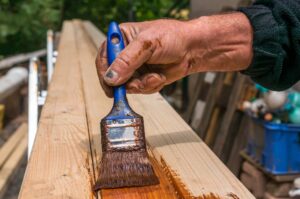
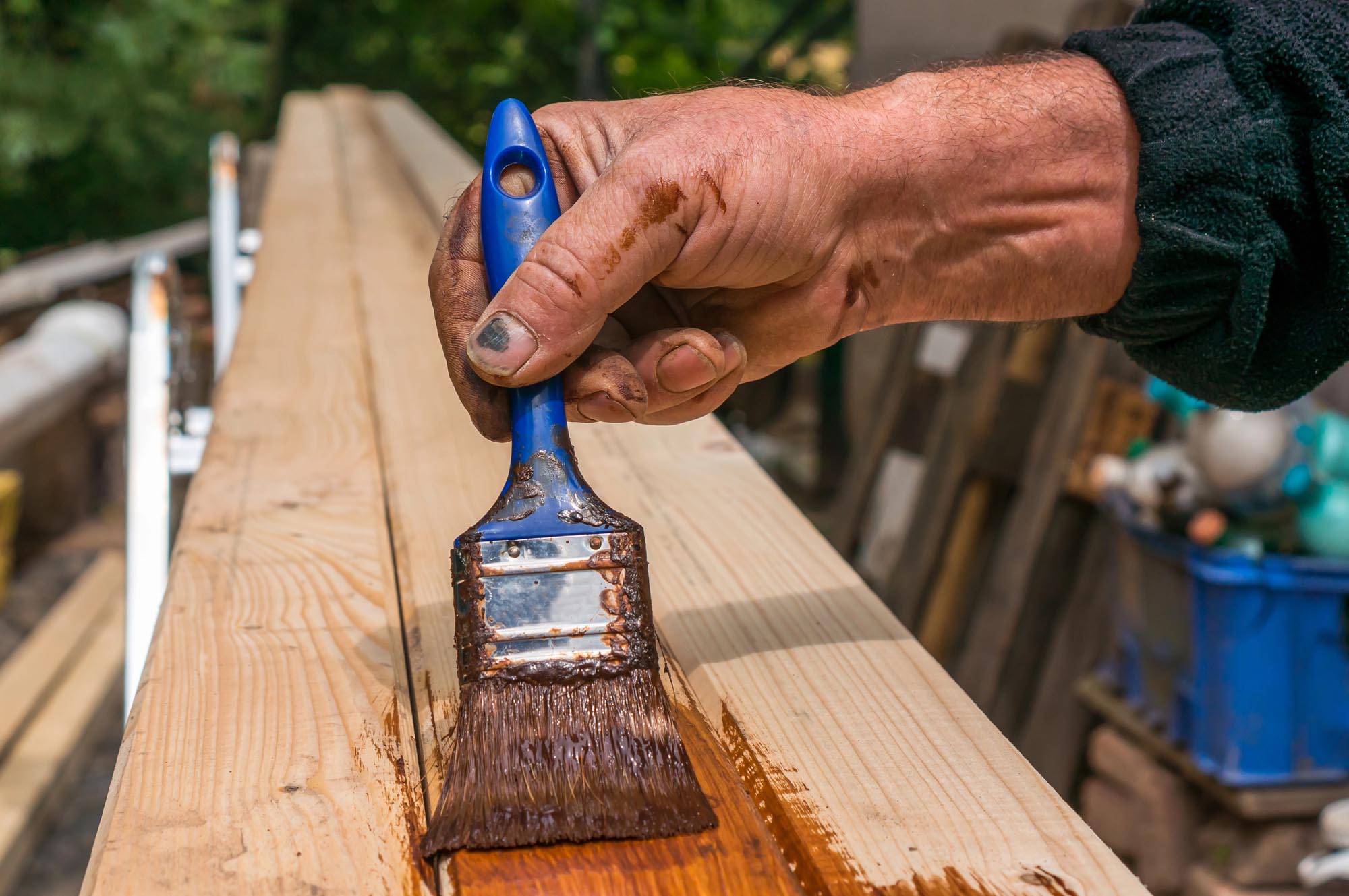
- Work in the direction of the grain — apply stain in 6-inch increments, using smooth even strokes to avoid lap marks
- Back-brush after rolling or spraying — always work the stain into the wood with a brush to ensure full penetration and even coverage
- Seal after staining — unless your stain has a built-in sealant, apply a sealer once the stain is fully dry to lock in the color and keep moisture out
For a full guide on staining wood surfaces outside the home, read our post on exterior wood stain and how to choose the right one for your home. And for more detail on protecting wood from moisture specifically, our post on waterproof paint for wood is worth reading before you start any exterior wood project.
How Often Should You Restain Your Fence?
In the Bahamas, plan to reapply fence stain every 2 to 3 years. Factors like direct sun exposure, proximity to the coast, and the wood species will all affect how quickly the stain weathers. Watch for fading, water no longer beading on the surface, or a dull, gray appearance as signs that it’s time to recoat.
Get the Right Fence Stain at Sherwin-Williams Bahamas
Whether you decide fence stain or paint is the right choice for your fence, the team at Sherwin-Williams Bahamas can help you find the right product and make sure you have everything you need to apply it correctly. We carry a wide range of stains, sealers, and exterior paints suited to wood fencing in the tropical Bahamian climate.
Stop by one of our two Nassau store locations or contact us to get started. Browse our full exterior paints and coatings and pick up the right painting supplies to tackle the job with confidence.