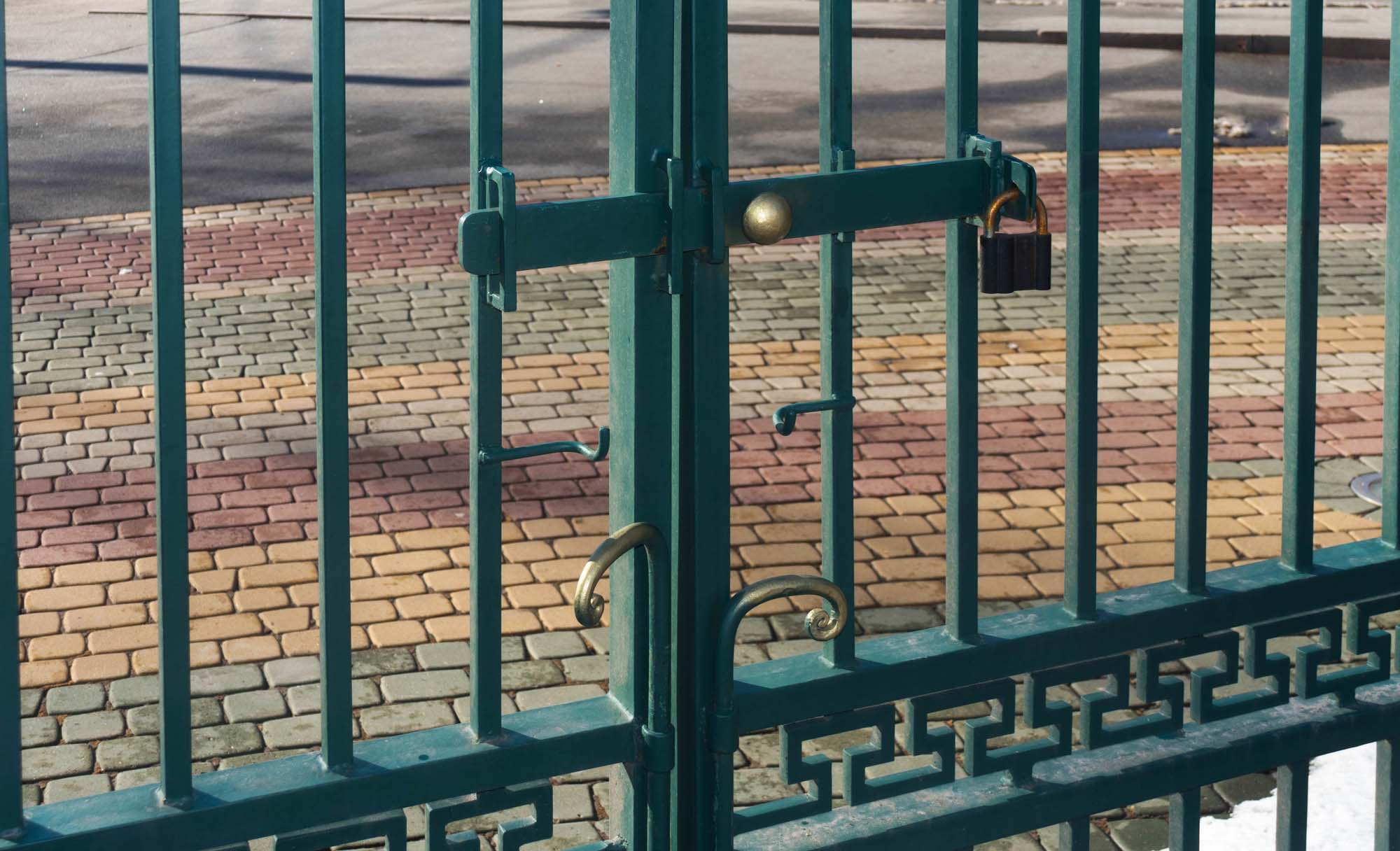
Metal gates, railings, window grilles, and outdoor furniture are everywhere in Bahamian homes, and for good reason. They’re strong, durable, and add a finished look to any property, and knowing how to paint metal correctly makes all the difference in how long that finish lasts. Metal in a tropical coastal environment is also one of the most demanding surfaces to paint. Salt air accelerates oxidation, humidity keeps surfaces damp, and intense UV radiation breaks down coatings faster than in milder climates. If you want paint on metal to actually last, you need to understand how to paint metal correctly from start to finish.
Why Metal Is Different: What Happens When You Skip Steps
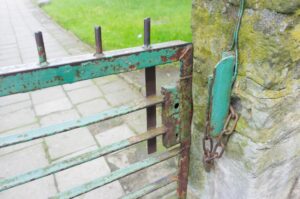
Metal expands and contracts significantly with temperature changes, meaning a paint film that can’t flex will crack and peel, often within a season. More critically, any bare metal exposed to salt air and moisture will begin to rust almost immediately. Once rust gets under a paint coating, it spreads from beneath, lifting and blistering the paint off the surface even if the topcoat itself looks intact.
Understanding how to paint metal the right way means treating the prep phase as non-negotiable. No product, no matter how good, will overcome inadequate surface preparation on metal.
How to Paint Metal: A Step-by-Step Guide
Step 1: Clean the Surface
Start by washing the metal thoroughly to remove dirt, grease, salt residue, and any loose or flaking paint. A pressure washer works well for larger gates and railings. For smaller items or detail work, scrub with a stiff brush and a degreasing solution. Salt residue in particular must be fully removed. Salt left on the surface beneath a new paint coating will draw moisture and accelerate rust from below.
Step 2: Remove Rust and Sand
Any visible rust must be treated before painting. Use a wire brush, sandpaper, or an angle grinder to remove as much rust as possible. For light surface rust, a rust converter product can chemically neutralize the rust and create a paintable surface. For heavily rusted sections, grinding back to bare metal and starting fresh gives the best long-term result. After rust removal, lightly sand all surfaces to create a surface profile that gives primer something to grip.
Step 3: Apply a Rust-Inhibitive Primer
This is the most important step in understanding how to paint metal in a coastal environment. A rust-inhibitive primer creates a chemical barrier between the metal and the atmosphere, dramatically slowing the oxidation process beneath your topcoat. Never skip primer on bare or previously rusted metal. Without it, rust will develop under your new paint and cause it to fail within months.
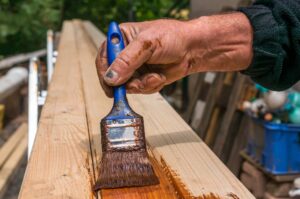
Apply primer in a thin, even coat and allow it to dry fully before proceeding. For railings and intricate metalwork, a brush gives better coverage in corners and joints than a roller. Our post on what primer does and when to use it covers the full reasoning behind this step if you want more background.
Step 4: Apply Your Topcoat
Once your primer is dry, it’s time to apply your finish coat. For exterior metal in the Bahamas, an oil-based enamel or a high-quality acrylic enamel formulated for metal delivers the best combination of hardness, adhesion, and flexibility. Gloss and semi-gloss sheens are typically recommended for metal. They’re more resistant to moisture and easier to clean than flatter finishes.
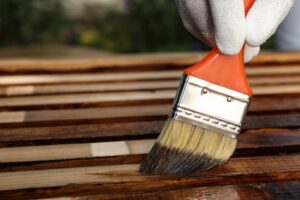
Apply two coats for maximum durability, allowing the first coat to dry completely before applying the second. Knowing how to paint metal well means being patient here. Rushing the recoat window is one of the most common causes of early paint failure on metal surfaces.
Step 5: Allow Full Cure Time
When learning how to paint metal, one thing many people overlook is cure time. The surface can feel dry to the touch within hours, but full cure (when the paint film reaches maximum hardness and adhesion) takes considerably longer, often 7 days or more depending on humidity and temperature. Avoid heavy use or contact with metal surfaces during this curing period.
Choosing the Right Paint for Metal in the Bahamas
Part of knowing how to paint metal is choosing the right product. Not all paints are suited to metal, and not all metal paints are suited to the Bahamian coastal environment. When choosing a product, look for:
- Direct-to-metal (DTM) formulas — designed specifically to adhere to metal with or without a separate primer coat
- Rust-inhibitive properties — especially important within a few miles of the coast
- UV resistance — to prevent fading and chalking in intense tropical sunlight
- Flexibility — to accommodate metal expansion and contraction without cracking
For more detailed guidance on product selection for specific metal applications, read our post on the best type of paint to use on metal gates, railings, and outdoor furniture. And if you’re also tackling fencing or other outdoor structures at the same time, our post on the best paint for fences and outdoor structures covers those surfaces in detail.
Get the Right Products at Sherwin-Williams Bahamas
Now that you know how to paint metal surfaces correctly, the next step is making sure you have the right products for the job. At Sherwin-Williams Bahamas, we carry rust-inhibitive primers, direct-to-metal topcoats, and all the brushes, rollers, and painting supplies you need to get a professional result.
Stop by one of our two Nassau locations or contact us and our team will help you choose exactly what your project needs.