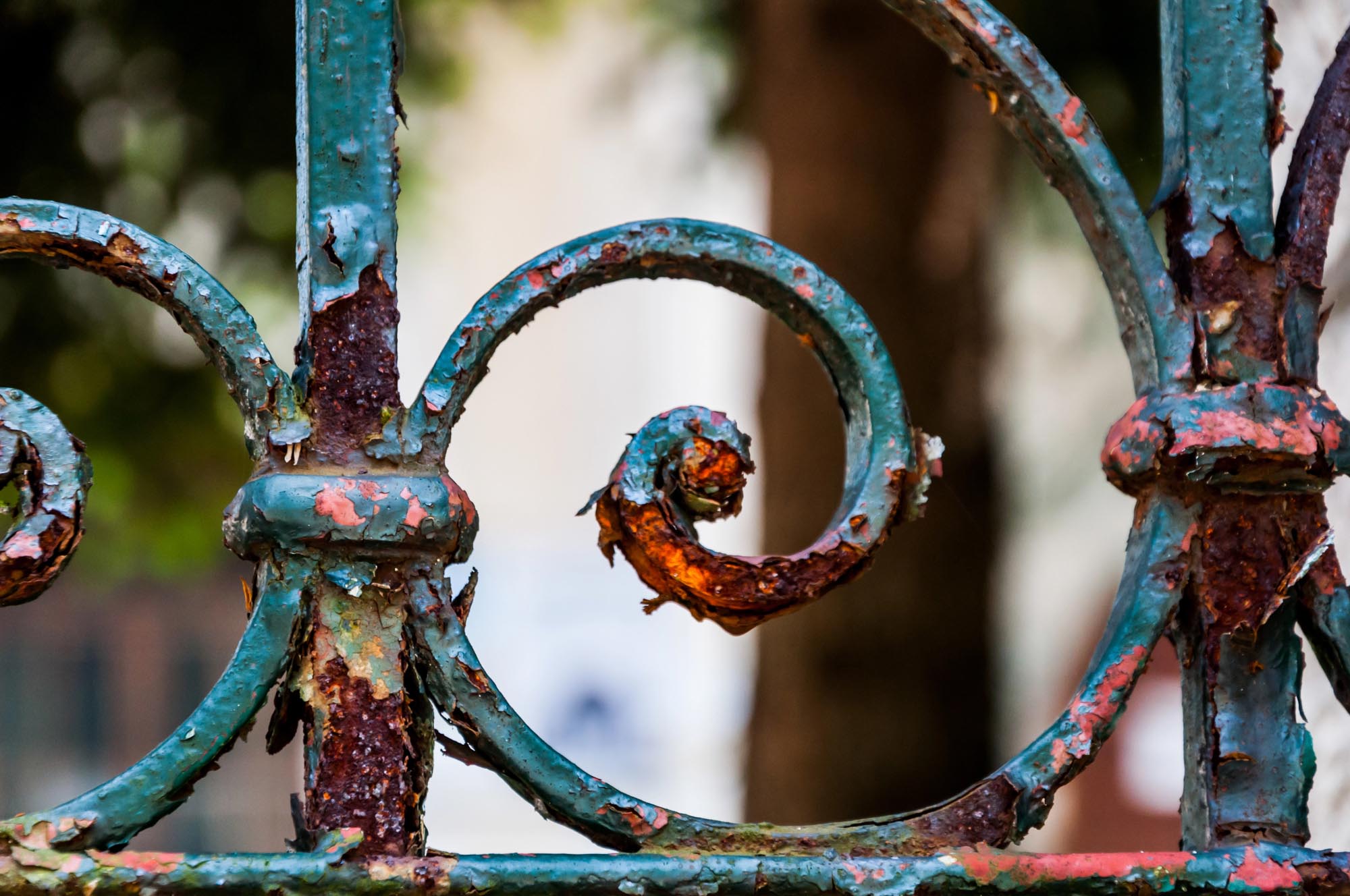
Salt air, hot sun, and sudden downpours make The Bahamas a tough place for metal. Gates, railings, and outdoor furniture can show orange streaks within a season or two of painting. The good news is that you do not always have to strip everything back to bare steel. With the right preparation and products, you can paint over rust and get a finish that protects the metal for years. The key is treating the rust first, not just covering it up.
Why Rust Comes Back Under New Paint
Rust forms when steel is exposed to air and moisture, and in a coastal climate that exposure never really stops. Many people try to paint over rust without any preparation, brushing new color directly onto loose, flaking corrosion. The coating has nothing solid to grip, moisture stays trapped underneath, and the rust keeps spreading. Within months, the new paint begins to blister and lift.
The Sherwin-Williams rust problem solver guide recommends priming bare steel as quickly as possible with a rust-inhibiting primer. That one step is often the difference between a paint job that lasts and one you redo next year. Our article on paint for rusty metal explains how corrosion spreads and why early action matters.
How to Paint Over Rust Step by Step
Follow this process for gates, railings, and most household metal surfaces:
- Remove loose rust — use a wire brush, scraper, or sanding disc to knock off flaking corrosion and failing paint.
- Sand to a sound surface — feather the edges of remaining paint and scuff glossy areas so the primer can bond.
- Clean thoroughly — wash away salt, dirt, and grease, then let the metal dry completely.
- Treat remaining rust — apply a rust converter or neutralizer to tightly bonded rust you cannot remove.
- Prime — use a rust-inhibiting primer designed for metal.
- Topcoat — finish with two coats of a durable exterior enamel or direct-to-metal paint.
You will find wire brushes, sandpaper, scrapers, and quality brushes in our painting supplies department, so you can handle prep and painting in one trip. For a broader look at preparing other metal surfaces, see our guide on how to paint metal around your home.
Rust Converters vs. Rust-Inhibiting Primers
These two products are often confused, but they do different jobs. A rust converter chemically reacts with remaining rust and turns it into a stable, paintable layer. Mar-Hyde One-Step Rust Converter goes directly over tightly bonded or light flash rust and dries to a hard black primer, and that black color makes it easy to see where another coat is needed. Pro-Line 801 Rust Conversion Primer is a water-based option for lightly rusted steel, applied above 50°F and then topcoated with an epoxy or alkyd. Converters are ideal when you cannot get every bit of corrosion out of pitted metal or tight corners.
A rust-inhibiting primer goes over clean or converted metal and creates a barrier that slows future corrosion. Pro Industrial Pro-Cryl Universal Acrylic Primer dries fast, resists moisture early, and works under both water-based and solvent-based topcoats. For many homeowners, the best results come from using both: convert what you cannot remove, then prime before you paint over rust with your finish coat.
Pro Industrial Rust Preventive Paint is another option for railings and equipment. Our guide on the type of paint to use on metal gates compares more topcoat options.
Special Considerations Near the Water
Waterfront homes, docks, and boat lifts face constant salt spray, which accelerates corrosion far beyond what inland metal experiences. In these settings, standard exterior paint may not be enough. Marine grade paint is formulated to withstand saltwater exposure and is worth considering for metal that sits right at the shoreline.
Keep safety in mind, too. Older gates and railings may carry layers of lead-based paint, and sanding them can release harmful dust. The EPA’s lead information for homeowners outlines safe work practices if you suspect older coatings. Always wear eye protection and a dust mask when grinding or wire brushing.
Maintenance That Keeps Rust Away
Once you paint over rust correctly, a little upkeep goes a long way. Rinse salt off metal surfaces every few weeks, inspect for chips after storms, and touch up scratches before moisture reaches the steel. Catching small spots early saves you from another full restoration.
Contractors and property managers caring for multiple buildings can save on primers and topcoats by buying in bulk. Learn more about wholesale paint options available in The Bahamas.
Get Expert Help With Your Metal Project
Knowing how to paint over rust properly protects your investment and keeps your property looking sharp. Visit Sherwin-Williams Bahamas for rust converters, metal primers, and expert advice on the right system for your gates, railings, and outdoor furniture.