If you’ve ever placed your hand on a wall that’s been baking in the Bahamian sun all afternoon, you already understand the problem. Buildings absorb enormous amounts of solar energy throughout the day, and that heat transfers directly into your living spaces, which drives up indoor temperatures and makes air conditioning work overtime. Heat reflective paint is one of the most practical solutions available for homeowners and businesses looking to fight back against the heat without a full renovation.
But does it actually work? The short answer is yes, but how well it works depends on the product, the color, and how it’s applied. Here’s everything you need to know.
What Is Heat Reflective Paint?
Heat reflective paint, also called solar reflective paint or cool coating, is a specially formulated product that contains pigments engineered to reflect infrared radiation (heat energy) back into the atmosphere rather than absorbing it into the surface beneath. Traditional paints absorb infrared radiation along with visible light, causing surfaces to heat up significantly. Heat reflective paint uses advanced pigment technology to reflect infrared while still absorbing the same amount of visible light, meaning your walls and roof can stay much cooler without changing their appearance.
Sherwin-Williams measures the effectiveness of these coatings using two key values:
- Solar Reflectance (SR) — the percentage of solar radiation reflected back into the atmosphere. Higher values mean a cooler surface.
- Thermal Emittance (TE) — the ability to radiate absorbed heat back into the atmosphere rather than holding it in.
- Solar Reflectance Index (SRI) — a combined calculation that determines the overall ability of a surface to reject solar heat. The higher the SRI, the cooler the coating.
Why Heat Reflective Paint Matters in the Bahamas
In a tropical climate like the Bahamas, solar heat gain is one of the biggest challenges homeowners face. Roofs and walls are exposed to direct sunlight for most of the day, often absorbing enough heat to raise interior temperatures by several degrees, even with air conditioning running. Heat reflective paint can measurably reduce the surface temperature of your walls and roof, which translates directly into lower indoor temperatures and reduced energy costs.
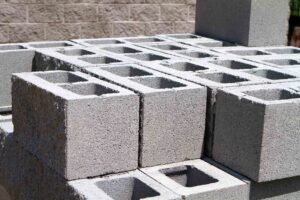
This is especially valuable for concrete block and stucco construction, the dominant building style throughout Nassau and the wider Bahamas, where walls have a high thermal mass and retain heat long after the sun goes down. Applying heat reflective paint to these surfaces creates a thermal barrier that reduces heat absorption at the source. You can also read our post on whether paint can reflect heat and keep your home cooler for more background on this topic.
Does Color Matter With Heat Reflective Paint?
Yes, and this is one of the most important things to understand. Lighter colors naturally reflect more solar energy than darker ones, regardless of the paint formula. However, heat reflective paint technology has narrowed this gap considerably. Solar reflective pigments can dramatically improve the reflectivity of medium and even darker colors, allowing homeowners to use a broader palette while still achieving meaningful heat reduction.
For example, Sherwin-Williams solar reflective coatings can push the Solar Reflectance value of a color like Slate Gray from 0.13 (standard) up to 0.38 (reflective), nearly tripling its ability to reject solar heat. That’s a significant real-world impact on surface temperatures. Light and mid-tone colors still perform best overall, but the improvement across all shades is substantial.
Best Surfaces for Heat Reflective Paint
While heat reflective paint can be applied to most exterior surfaces, it delivers the greatest benefit on:
- Roofs — where solar exposure is at its most intense
- West and south-facing walls — which receive the most direct afternoon sun
- Metal surfaces — which heat up fastest and benefit most from reflective coatings
- Concrete and stucco walls — especially in homes without ceiling insulation
For roof applications in particular, our post on whether roof coatings can protect your home from heat and rain goes into greater depth on product options and application tips.
What to Expect From Heat Reflective Paint
Applied correctly to a well-prepared surface, heat reflective paint can reduce exterior surface temperatures by 10–20°F compared to standard paint, and sometimes more. That reduction at the surface level translates into a cooler wall cavity and ultimately a cooler interior, reducing the burden on your air conditioning system and lowering your energy bills over time.
It’s worth noting that heat reflective paint is not a substitute for good insulation or ventilation, it works best as part of a broader approach to managing indoor temperatures. But for Bahamian homes where insulation is often minimal, the surface-level cooling effect of a quality reflective coating can make a very real, noticeable difference.
Good surface preparation is also essential. Even the best heat reflective paint won’t perform as intended on a dirty, chalky, or poorly primed surface. Read our guide on how to prepare your walls before painting to make sure your surfaces are ready before you start.
Find the Right Heat Reflective Paint at Sherwin-Williams Bahamas
At Sherwin-Williams Bahamas, we carry a range of exterior coatings with solar reflective properties suited to the Bahamian climate. Whether you’re painting a residential home, a commercial building, or a metal roof, our team can help you select the right product, the right color, and the right application approach to maximize your results.
Visit one of our two Nassau locations or contact us today to speak with a paint specialist. And don’t forget to browse our full range of exterior paints and coatings to see everything we carry.