You asked: Why is my paint peeling, cracking, or bubbling — and how do I fix it?
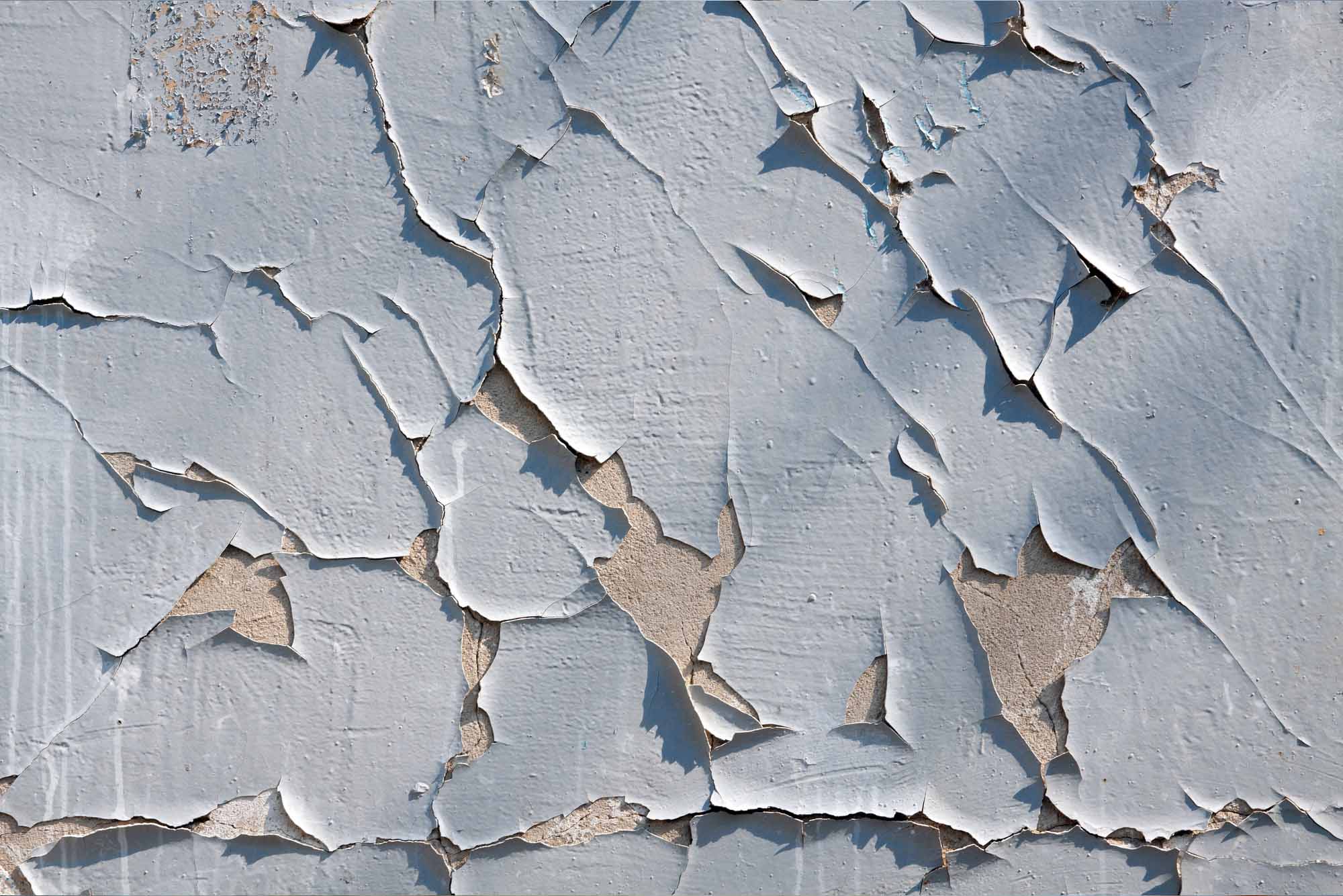
We answer: Few things are more frustrating than finishing a paint project and then seeing damage appear on the surface. paint peeling can happen for several reasons, and it is often a sign that the paint was applied over a problem that needed to be addressed first. Cracking, bubbling, and lifting are not just cosmetic issues. They usually point to moisture, poor surface preparation, or adhesion failure.
If you’re dealing with this problem, here’s how to understand it and fix it the right way.
What causes paint peeling, cracking, or bubbling?
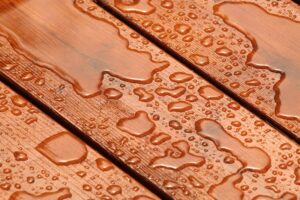
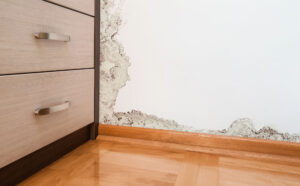
In many cases, paint peeling starts when paint loses its bond with the surface underneath. That can happen if the area was dirty, glossy, damp, or unstable before painting. Moisture is another major cause, especially in humid climates or on exterior walls exposed to rain and strong sun.
- Painting over dust, grease, or chalky surfaces
- Applying paint over moisture-damaged areas
- Skipping primer when the surface needed it
- Painting too soon between coats
- Using the wrong product for the surface or environment
Cracking can also happen when paint becomes brittle over time or when layers are applied too thickly. Bubbling often points to trapped moisture, heat, or poor adhesion under the finish coat.
How to fix the problem properly
The best solution depends on how severe the damage is, but small repairs should always begin by removing anything loose or unstable. If you paint over damaged areas without correcting the cause, paint peeling will usually come back.
A proper repair process often includes:
- Scraping away all loose, flaking, or bubbled paint
- Sanding rough edges so the area feathers smoothly
- Cleaning the surface thoroughly
- Repairing any water damage, cracks, or surface defects
- Priming bare or repaired sections before repainting
If moisture is involved, that issue needs to be fixed before repainting. Otherwise the new coating may fail again, even if the color looks fine at first.
How to prevent the same issue next time
Prevention starts long before the final coat. The right prep, the right product, and the right timing all matter. Many paint failures happen because the surface looked ready but was not actually stable, clean, or dry enough for paint.
To reduce the risk of future paint peeling, make sure you:
- Paint only on clean, dry, sound surfaces
- Use primer when the surface needs sealing or adhesion help
- Follow dry-time and recoat instructions carefully
- Choose products made for the specific room or exterior condition
Bathrooms, kitchens, exteriors, and concrete or masonry surfaces often need more specialized preparation and product choices than standard interior walls.
When to call in extra help
If the damage is widespread, keeps returning, or appears alongside stains and damp areas, the issue may be deeper than a simple repaint. Water intrusion, trapped humidity, or failing previous coatings can all create recurring problems. In those situations, it helps to get expert advice before starting again.
paint peeling may look like a paint problem, but it is often a surface problem first. Once you correct the cause and rebuild the surface properly, your next paint job has a much better chance of lasting.
Need help troubleshooting a failing paint surface? Visit Sherwin-Williams Bahamas and our team can help you identify the problem and choose the right repair products.